
How Long Does Tuckpointing Last on St. Louis Homes? A Guide by Anchor Masonry
Wondering how long your brickwork will hold up? Learn how St. Louis weather impacts tuckpointing lifespan and when it is time to call for a repair.
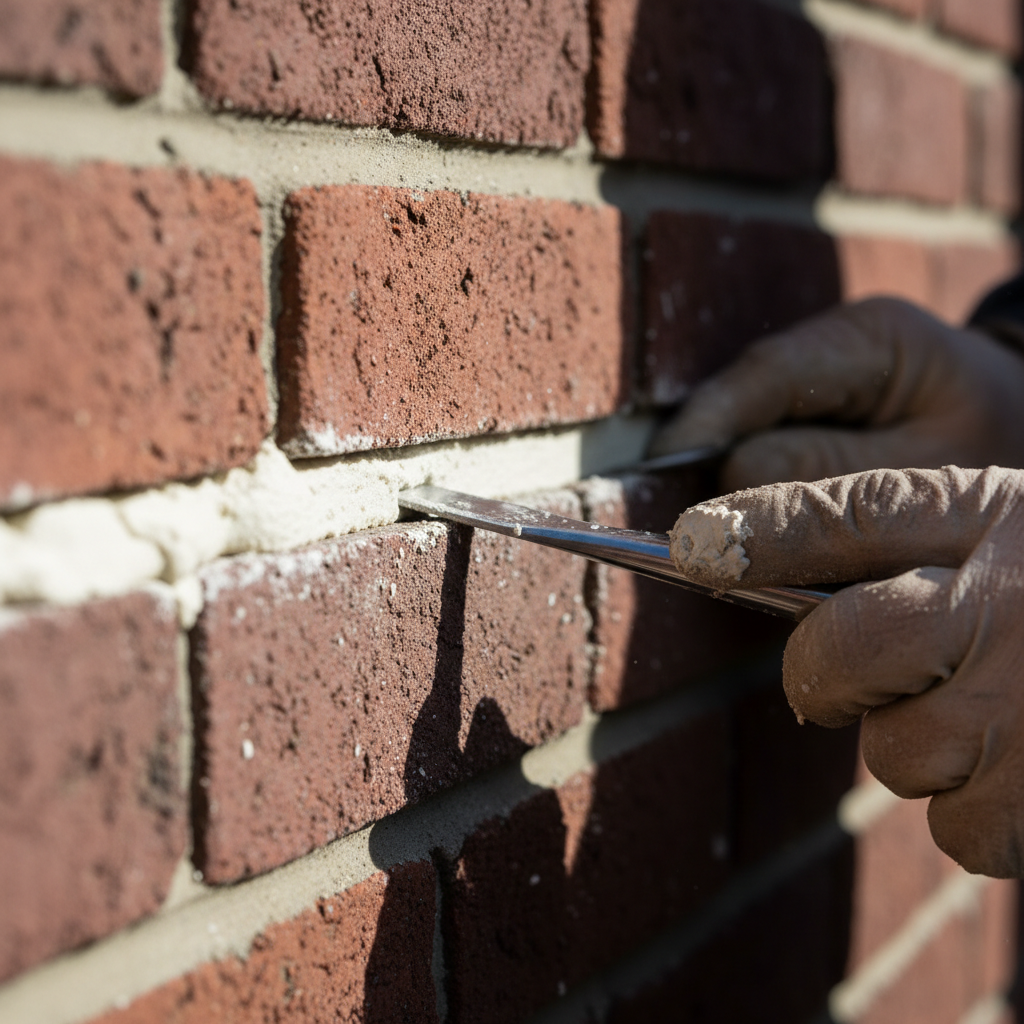
Key Takeaways
- Proper tuckpointing generally lasts between 20 and 30 years depending on the quality of materials and mortar match.
- The St. Louis freeze-thaw cycle is the primary factor that causes mortar to crack and crumble prematurely.
- Visible signs like crumbling mortar, loose bricks, and interior dampness indicate it is time for professional maintenance.
- Older masonry in historic neighborhoods like Soulard or The Hill requires breathable, lime-based mortar to prevent damage to historic bricks.
- Regular inspections can save homeowners thousands of dollars by preventing structural brick failure.
How Long Does Tuckpointing Last in St. Louis?
Professional tuckpointing typically lasts 20 to 30 years, assuming the work was performed correctly and the mortar mix is appropriate for the age of your home.
In our region, the longevity of your masonry isn't just about the skill of the mason; it is about how the material reacts to our local climate. St. Louis experiences aggressive freeze-thaw cycles. When water enters hair-line cracks in your mortar, it freezes, expands, and pushes the mortar outward. Over two decades of Missouri winters, this process eventually turns solid mortar into loose sand. Homes in exposed areas or those with poor drainage often see this timeline shrink toward the 15-year mark if maintenance is ignored.
Why Does St. Louis Weather Shorten Mortar Lifespan?
Our unique Midwest climate forces mortar to endure extreme temperature swings that can break down even the most well-installed joints in less than a decade if left unsealed or improperly mixed.
Mortar is designed to be the "sacrificial" element of a wall. It is supposed to be softer than the brick so that it absorbs the movement and environmental stress of the structure. When you have a hot, humid summer followed by a sudden deep-freeze in January, the building materials expand and contract rapidly. If your mortar is too hard (often a problem when modern Portland cement is used on historic bricks in places like Tower Grove), the brick itself will crack instead of the mortar. This leads to costly repairs, as replacing a historic brick is significantly more difficult than repointing a joint.
Factors Influencing Tuckpointing Longevity
| Factor | Impact on Lifespan | Description | | :--- | :--- | :--- | | Mortar Mix | High | Using modern, rigid mortar on historic brick causes failure. | | Exposure | Moderate | South-facing walls endure more thermal cycling. | | Moisture Management | High | Gutters and downspouts keep water away from mortar. | | Craftsmanship | Very High | Depth of cut and curing time dictate bond strength. |
How Do I Know When My Brickwork Needs Redoing?
You should consider calling a professional when you notice active deterioration, such as crumbling mortar falling onto your foundation or loose bricks that can be wiggled by hand.
As the owner of Anchor Masonry, I have seen too many homeowners wait until they have a basement leak or a bowed wall before they address their masonry. If you see cracks that are wider than a hair, or if you can take a flathead screwdriver and easily scrape the mortar out of the joint, your protection is gone. Moisture is now entering your wall cavity, which can lead to rusted steel lintels above your windows or wet wood framing behind the brick veneer.
Can I Repair My Own Tuckpointing?
While minor cosmetic patches are possible for the weekend warrior, structural tuckpointing in St. Louis requires professional expertise to ensure the structural integrity of the home remains intact.
Brick repair is not just about aesthetics; it is about load distribution. If you perform a "face-fill" (smearing mortar over the top of old, loose mortar) rather than grinding it out to a proper depth, the repair will fail within one or two winters. We often have to go back and undo these DIY repairs, which ends up costing the homeowner more than if they had just hired us correctly the first time. We take pride in our work at Anchor Masonry; we have been doing this since 1987, and we know exactly what it takes to make a repair last another generation.
How Can I Protect My Masonry Investment?
Preventative maintenance starts with keeping your home dry through consistent gutter cleaning and ensuring downspouts are extended at least four feet away from your foundation.
Beyond keeping the water away, periodic inspections are your best defense. Since we are BBB A+ accredited, our reputation is built on honesty and practical advice. We don't believe in upselling you on work you don't need, but we do believe in catching small issues before they become major structural problems.
If you live in a historic neighborhood like The Hill or Soulard and are concerned about the state of your brickwork, don't wait for a leak. Let us take a look at your property and give you an honest assessment. Call Anchor Masonry at (314) 775-4557 for a free estimate today. Adam Scott, Owner.
Adam Scott
Owner, Anchor Masonry - 38+ years of masonry experience in St. Louis