
Is Your St. Louis Commercial Property at Risk? 5 Signs Your Masonry Needs Attention
Is your St. Louis building showing signs of decay? Learn how to spot masonry issues early to protect your commercial investment and avoid costly repairs.
Key Takeaways
- St. Louis's freeze-thaw cycles cause mortar to expand and contract, accelerating facade decay on older commercial structures.
- Visible mortar erosion, efflorescence, and interior water stains are early-warning signs of structural masonry failure.
- Commercial property managers should prioritize annual facade inspections to manage capital budgets and minimize tenant disruption.
- Neglecting parapets and lintels can lead to dangerous falling debris and significant liability for building owners.
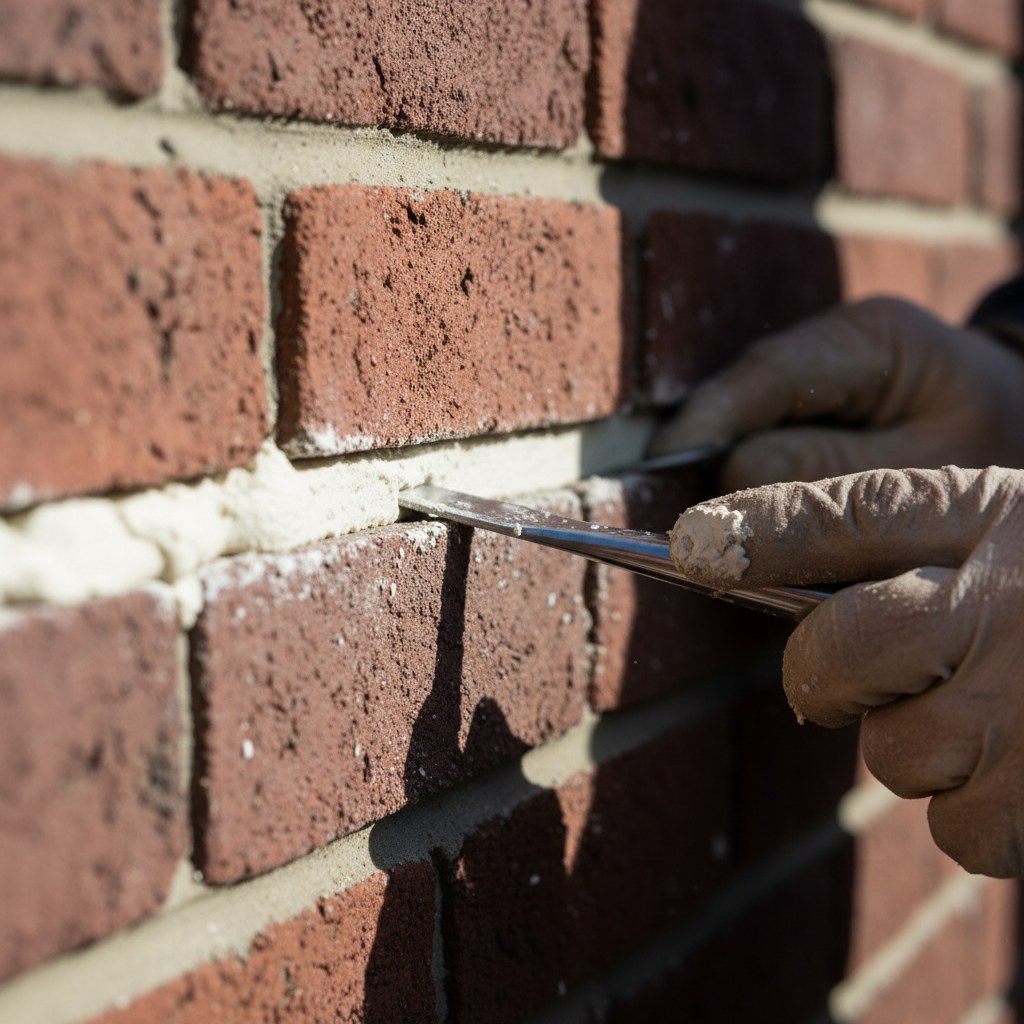
- Professional tuckpointing preserves historic integrity while preventing water infiltration that destroys warehouse and storefront interiors.
Why Does St. Louis Weather Damage Commercial Brickwork?
Our regional climate is particularly harsh on masonry because of the constant cycle of freezing and thawing that occurs during the winter months. When water infiltrates mortar joints—especially on high-exposure surfaces like parapets in Soulard or historic warehouses downtown—it freezes and expands, cracking the masonry from within. This leads to "spalling," where the face of the brick pops off, compromising the structural integrity of your building.
What Are the Early Warning Signs of Masonry Failure?
As an owner or property manager, you should look for mortar joints that are crumbling, soft, or visibly recessed by more than a quarter-inch. Beyond visible decay, keep an eye out for white, powdery salt deposits known as efflorescence, which indicate trapped moisture migrating through the brick. Inside, check for unexplained water staining along ceiling perimeters or window lintels, which often signals that exterior sealant or tuckpointing has failed, allowing moisture to track directly into your tenant spaces.
How Should You Inspect a Large Facade?
While a ground-level walk-around is a good start, you must use binoculars or a drone to inspect upper-level lintels, parapet caps, and roof-line flashing. Focus your attention on areas where different materials meet, such as where iron storefronts in The Hill attach to masonry, or where flat roofs connect to the building wall. If you see bricks that look "bowed" or mortar that has completely fallen out, you need a professional assessment immediately to manage the safety liability of your property.
What Should Commercial Owners Know About Tuckpointing Logistics?
Commercial masonry requires a strategic approach that balances building maintenance with the need to keep your businesses open. At Anchor Masonry, we understand that projects in busy corridors like Cherokee Street or Midtown require careful staging, scaffolding management, and noise mitigation to prevent tenant complaints. We work with property managers to phase large-scale restorations, ensuring that building access remains clear and operations continue without significant interruptions.
| Project Type | Average Cost Range (Per Sq. Ft.) | Considerations | | :--- | :--- | :--- |: | Basic Tuckpointing | $8.00 - $15.00 | Depends on mortar color/mix | | Full Facade Restoration | $25.00 - $45.00 | Scaffolding and access costs | | Lintel Replacement | $600 - $1,200 per opening | Structural bracing required |
Note: These ranges reflect realistic St. Louis market rates for quality commercial work. Minimum job sizes typically apply to cover mobilization and equipment staging.
How Do You Plan for Masonry Maintenance in Your Capital Budget?
Preventative tuckpointing is significantly cheaper than full-scale wall reconstruction, so treat masonry upkeep as a multi-year capital expenditure plan. By identifying "hot spots"—areas with heavy water exposure—we can help you prioritize repairs on a schedule that fits your budget. This proactive approach not only extends the life of your asset but also maintains the property's value, which is critical for HOAs and commercial developers looking to lease or sell.
Who Can Help Protect Your St. Louis Commercial Building?
Since 1987, Anchor Masonry has served the St. Louis metro area as a family-run business dedicated to the craft of brick restoration. We are BBB A+ accredited and understand the specific needs of commercial property owners, from historic storefronts to modern industrial warehouses. We don't believe in quick fixes; we believe in doing the job right to keep your building standing for another thirty years. If you are concerned about the condition of your masonry, call us at (314) 775-4557 to schedule a free estimate. I'm Adam Scott, and I am happy to walk the site with you to discuss the best path forward for your property.
- Adam Scott, Owner, Anchor Masonry
Adam Scott
Owner, Anchor Masonry - 38+ years of masonry experience in St. Louis