
Tuckpointing for St. Louis Apartment Buildings: A Property Manager’s Guide
Essential advice for St. Louis property managers on maintaining historic brick apartment facades through professional tuckpointing and maintenance.
Key Takeaways
- St. Louis freeze-thaw cycles typically necessitate a tuckpointing assessment every 10 to 15 years to prevent structural water damage.
- Proactive maintenance of mortar joints and parapets is significantly more cost-effective than emergency facade failure repairs.
- Professional masonry projects require careful scheduling to minimize tenant disruption and manage safe site access.
- Commercial brick restoration involves more than just mortar; it includes lintel inspection, sealant checks, and masonry cleaning.
- Consistent facade upkeep protects your property value and minimizes long-term liability for your building's exterior.
Why Do St. Louis Brick Facades Need Regular Tuckpointing?
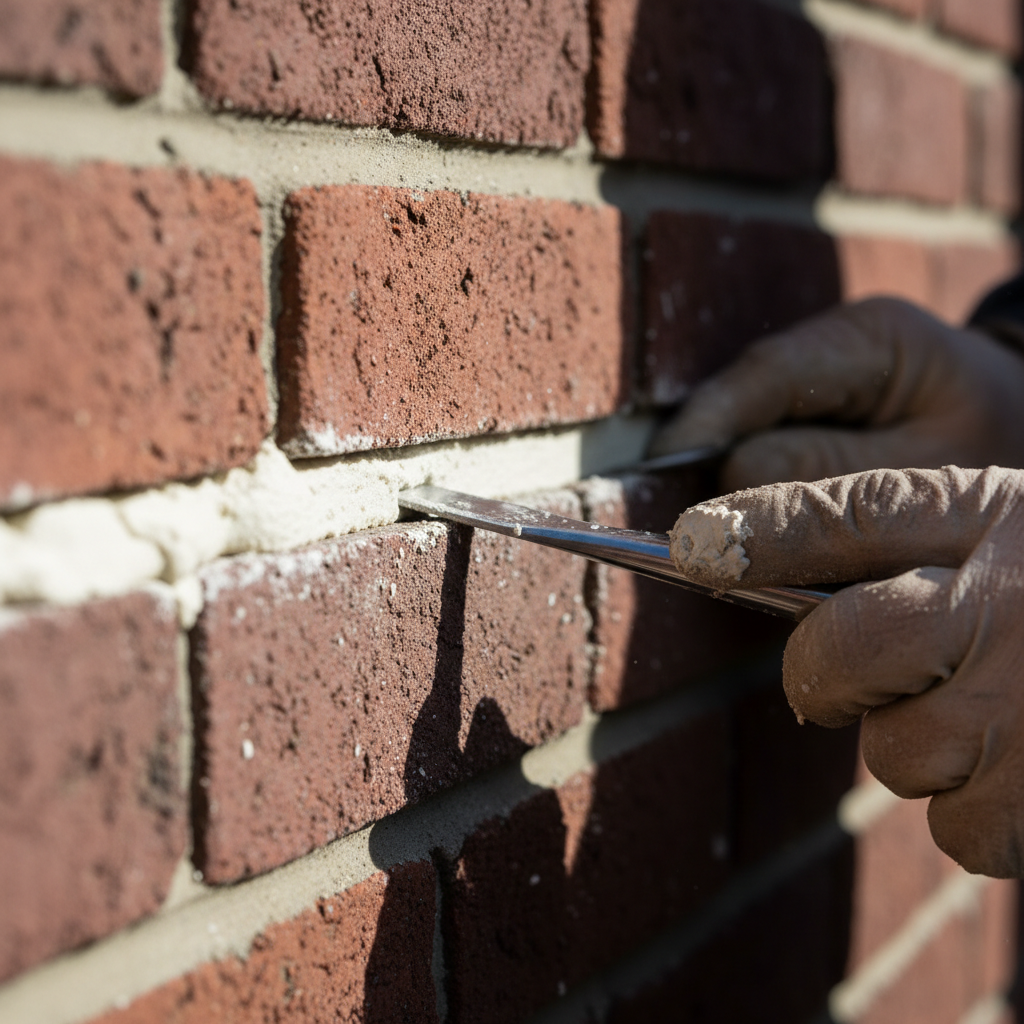
The extreme temperature shifts in the St. Louis region cause masonry joints to expand and contract, eventually causing mortar to crack and trap moisture inside the brickwork. When water enters these cracks and freezes, it expands, pushing the brick face off—a process known as spalling. For apartment buildings in neighborhoods like The Hill, Soulard, or Midtown, where much of our housing stock consists of historic red brick, failing mortar is not just an aesthetic issue; it is a structural integrity risk that leads to interior water leaks and degraded steel lintels.
How Should Property Managers Plan for Tuckpointing Cycles?
Property managers should implement a rolling 10-year maintenance plan that prioritizes the most exposed elevations of the building. Because scaffolding and equipment access can be cumbersome for residents, we recommend breaking larger projects into phases. For example, focusing on one side of a downtown apartment building per year keeps capital expenditures predictable and prevents a single, massive disruptive construction event for your tenants.
How Do You Manage Tenant Access and Safety During Construction?
We coordinate closely with property managers to provide advance notice, utilize drop-zones that maintain clear building egress, and schedule high-noise activities during mid-day hours when residents are less likely to be disturbed. Since 1987, Anchor Masonry has understood that the key to a successful commercial job is communication; we ensure your tenants know exactly when work is scheduled to begin and end in their specific wing or facade section.
| Project Type | Typical Scope | Est. Timing | Disruption Level | | :--- | :--- | :--- | :--- | | Spot Tuckpointing | Minor cracks/isolated spalling | 1-2 weeks | Low | | Full Facade Restoration | Extensive repointing/lintel repair | 4-8 weeks | Moderate | | Parapet/Roof Cap Repair | Structural moisture mitigation | 2-4 weeks | Low |
What Factors Impact Commercial Masonry Costs?
Costs for commercial tuckpointing are generally driven by the scale of the building, the depth of the mortar removal required, and the access constraints, typically ranging between $12 and $22 per square foot for standard repointing. Complex storefronts on Cherokee Street or high-rise facades downtown require specialized scaffolding or swing stages, which must be factored into the project budget alongside code-compliant debris removal and site safety protocols.
Are My Building’s Lintels and Sealants at Risk?
Tuckpointing is only one piece of the puzzle; you must also inspect the steel lintels above window frames and the perimeter sealants around windows and doors. In St. Louis, rusted, expanding lintels can crack bricks from the inside out, often necessitating structural steel repairs before new mortar can even be applied. We recommend an annual walk-around to look for horizontal cracks near the roofline, which often signal that your parapet walls need immediate attention before water causes ceiling damage in top-floor units.
How Do I Schedule a Commercial Estimate?
A comprehensive masonry assessment is the best way to safeguard your asset and avoid unexpected emergency repair costs. If you manage an apartment building in the St. Louis metro area, contact Anchor Masonry at (314) 775-4557. I am Adam Scott, and my team would be happy to walk your property, identify high-risk areas, and provide a professional evaluation that fits into your capital expenditure budget. As a BBB A+ accredited firm, we take pride in maintaining the historic character and structural health of St. Louis housing.
Adam Scott
Owner, Anchor Masonry - 38+ years of masonry experience in St. Louis