
Commercial Chimney Rebuilds: When Tuckpointing Isn't Enough for St. Louis Buildings
Learn when to prioritize a commercial chimney rebuild over tuckpointing in St. Louis and how to manage structural integrity for your property.
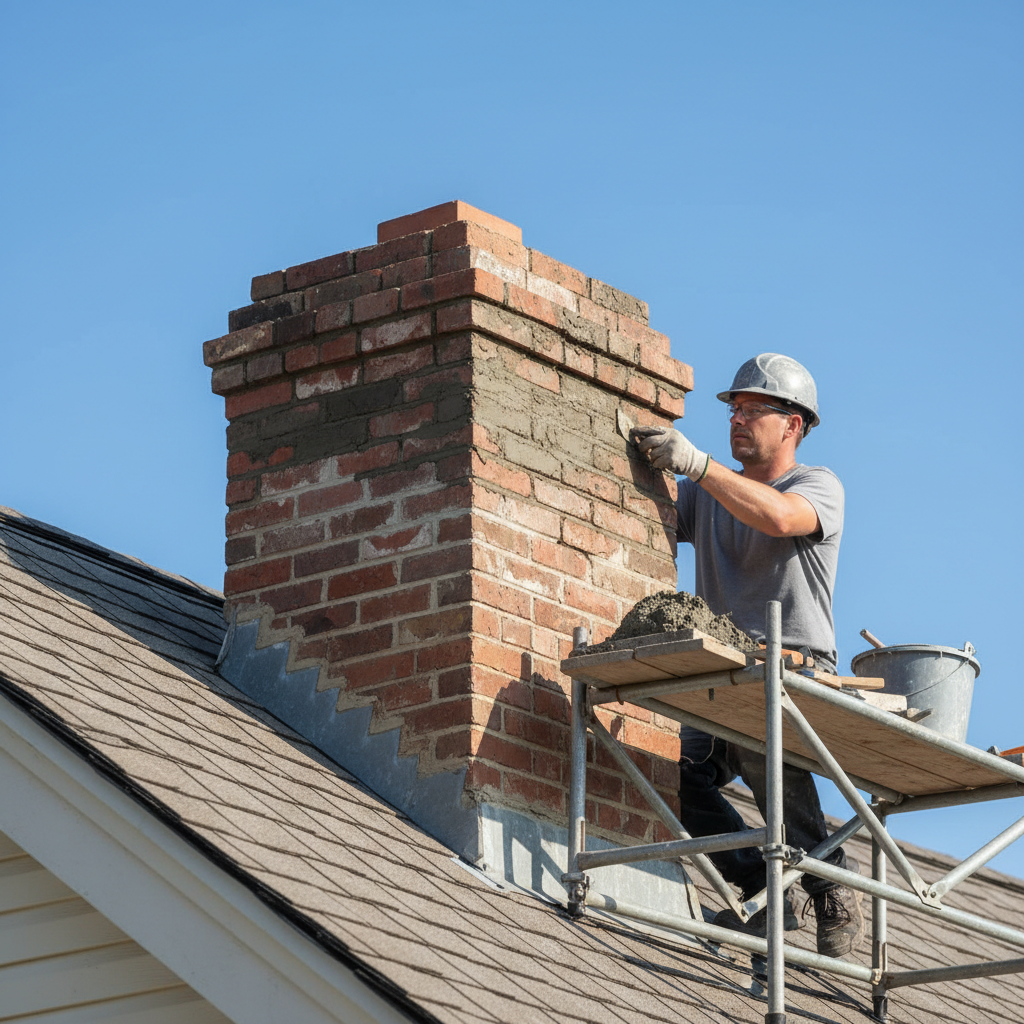
Key Takeaways
- Tuckpointing addresses surface mortar, but a rebuild is required when structural stability or chimney flue integrity is compromised.
- St. Louis's freeze-thaw cycles accelerate masonry deterioration on multi-story stacks, especially on older warehouses in areas like Soulard and Downtown.
- Ignoring severe cracking or leaning parapets presents significant liability risks to commercial property managers and HOAs.
- Proper commercial chimney maintenance requires adherence to strict St. Louis municipal building codes and safety inspections.
- Proactive staging and scaffolding management are essential to minimize business disruption during commercial masonry projects.
Is it time to rebuild your commercial chimney?
A commercial chimney requires a complete rebuild when the internal structural integrity, such as the flue liner or masonry bond, has failed beyond the reach of simple mortar joint repair. While tuckpointing is a fantastic maintenance tool, it cannot fix a leaning stack, crumbled firebrick, or shifting masonry that threatens to collapse.
In our time serving St. Louis since 1987, my team at Anchor Masonry has seen the harsh reality of Missouri winters. We regularly perform inspections on historic structures from The Hill to Cherokee Street. When the mortar has turned to sand or the bricks have begun to spall due to water intrusion, tuckpointing is merely cosmetic. If your chimney shows signs of tilting, heavy cracking, or white efflorescence—a sign of deep-seated moisture—a rebuild is likely the only way to ensure the safety of your staff, tenants, and visitors.
Why do multi-story commercial stacks fail?
Commercial chimney stacks fail primarily due to the constant expansion and contraction cycles caused by the extreme St. Louis temperature fluctuations coupled with poor moisture management. As water enters the porous masonry and freezes, it expands, pushing the bricks outward and breaking the bond that holds the stack together.
On a multi-story building, these issues are compounded by wind load and vibration. Warehouses in Midtown or storefronts downtown often feature older masonry that has weathered decades of exposure. When we inspect these chimneys, we often find that the iron lintels have rusted, causing the masonry above to sag or crack. If left unaddressed, this doesn't just damage the aesthetic of your facade; it creates a liability nightmare for property managers.
What are the costs and logistical considerations for a rebuild?
Commercial masonry costs vary based on site access, the height of the chimney, and the complexity of the brick matching, but typically range from $85 to $150 per square foot for complex rebuilds.
| Service Type | Typical St. Louis Scope | Consideration | | :--- | :--- | :--- | | Standard Tuckpointing | Routine maintenance | Cost-effective; prevents future damage | | Spot Rebuild | Localized repairs | Minimal disruption to building operations | | Full Stack Rebuild | Structural restoration | Requires scaffolding and safety zoning | | Historical Restoration | Custom mortar/brick | High-tier investment for historical districts |
For property managers and developers, the cost of doing nothing is always higher. We work with you to create a project phasing plan that minimizes tenant disruption. Whether you need us to work after hours or coordinate with your on-site security, our priority is maintaining your business continuity while we secure the building's facade.
How does the St. Louis code inspection process work?
Commercial chimney projects in St. Louis must comply with local building department requirements, which ensure that the rebuilt chimney meets current structural wind and load standards. Because we have been in business since 1987, we are intimately familiar with the permit process and the specific codes required for historic masonry in neighborhoods like Soulard or the Central West End.
We document every step of the process. For HOAs and commercial property owners, these records serve as proof of due diligence should an insurance inquiry or local inspection arise. We handle the technical side of the code compliance so you can focus on managing your property without worrying about municipal violations.
Who should you trust with your masonry needs?
I'm Adam Scott, owner of Anchor Masonry, and I believe that transparent communication is the hallmark of any successful commercial project. We are BBB A+ accredited and have a deep respect for the architectural history of our city. When you call us for a commercial walk-through, you aren't getting a high-pressure sales pitch; you are getting a professional assessment of your property's needs.
Whether you are managing a historic warehouse in need of a full facade restoration or a modern retail storefront with a leaning chimney, we provide the expertise to get it done right. Protecting your investment starts with a conversation. Give us a call at (314) 775-4557 to schedule your commercial walk-through today and ensure your building is safe for years to come.
Adam Scott
Owner, Anchor Masonry - 38+ years of masonry experience in St. Louis