
Brick Repair vs. Replacement: When to Save and When to Replace
Understand when damaged brick can be repaired versus when it needs replacement, plus how to match historic St. Louis brick properly.
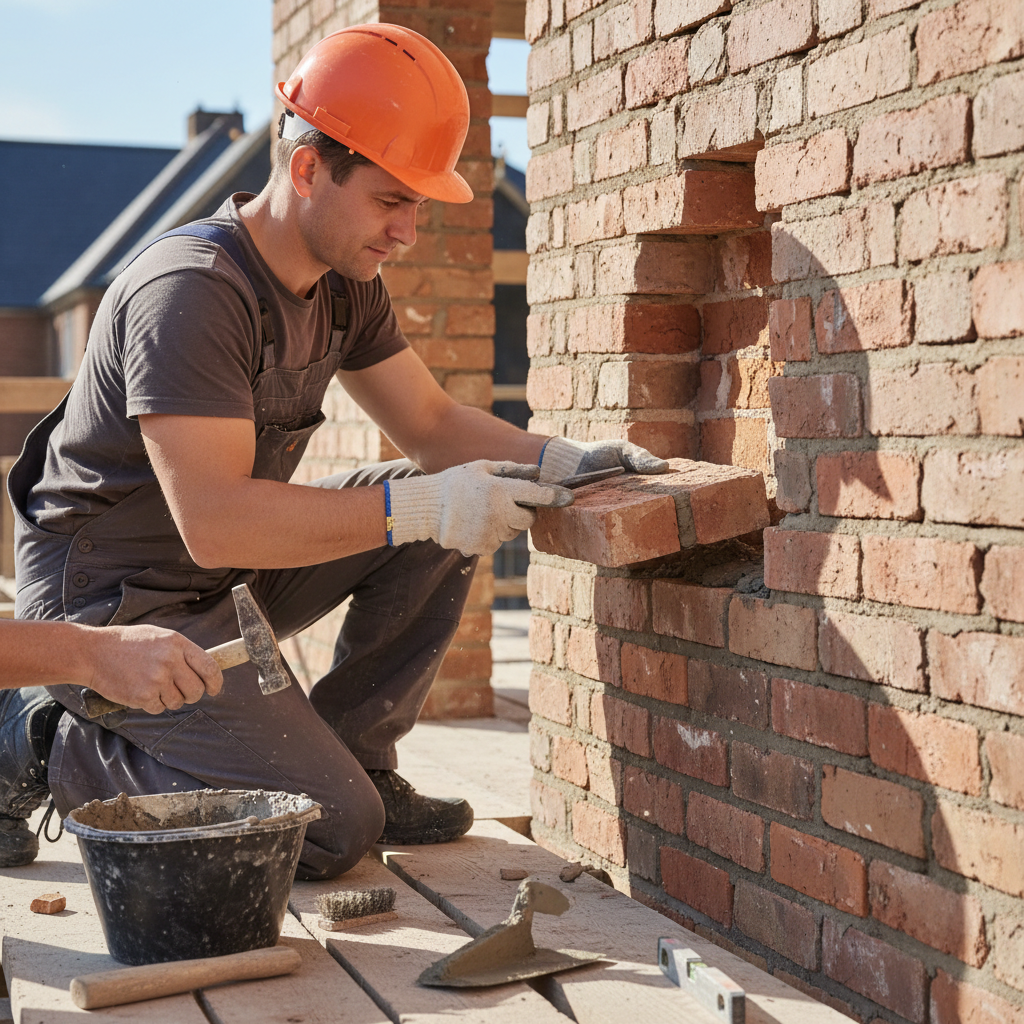
When Brick Needs Repair vs. Replacement
Not every damaged brick needs to be replaced. Knowing the difference can save you thousands while preserving your home's historic character.
Types of Brick Damage
Spalling (Surface Flaking)
Spalling occurs when the face of the brick starts to flake or chip away. This is usually caused by:
- Moisture infiltration — Water gets into the brick, freezes, and expands
- Wrong mortar type — Hard mortar traps moisture inside the brick
- Age and weathering — Decades of exposure take their toll
Solution: Minor spalling can sometimes be repaired with brick patching compounds. Severe spalling requires brick replacement.
Cracking
Cracks can run through the brick horizontally, vertically, or diagonally:
- Hairline cracks — Often cosmetic, can be sealed
- Structural cracks — Indicate foundation issues or severe stress, require professional assessment
- Step cracking — Follows mortar joints, suggests settling
Solution: Small cracks can be filled. Large or structural cracks need investigation and likely brick replacement.
Efflorescence (White Staining)
White, powdery deposits on brick surfaces are mineral salts left behind when water evaporates. While not damage itself, efflorescence signals moisture problems.
Solution: Address the water source first. Efflorescence can be cleaned with mild acid solutions, but will return if moisture isn't controlled.
Missing Bricks
Bricks can become loose and fall out due to:
- Failed mortar joints
- Impact damage
- Severe spalling
Solution: Immediate replacement is necessary to prevent further deterioration.
How to Match Historic St. Louis Brick
St. Louis homes used brick from local manufacturers like St. Louis Brick Company, Common Brick, and others. These bricks have unique characteristics:
- Color variation — Ranges from deep red to salmon to nearly black
- Texture — Hand-made bricks have irregular surfaces
- Size — Older bricks are often slightly larger than modern standards
Matching Process
- Identify the brick type — Experienced masons can often identify the manufacturer
- Source salvage brick — Reclaimed brick from demolished buildings is ideal for matching
- Custom blending — Sometimes multiple brick types must be blended to match
- Test placement — Always test new brick in an inconspicuous area first
The Brick Replacement Process
Step 1: Careful Removal
The damaged brick is cut out using specialized saws or chisels. Care must be taken not to damage surrounding bricks or mortar.
Step 2: Cleaning the Opening
Debris and old mortar are removed to create a clean space for the new brick.
Step 3: Mortar Application
Fresh mortar is applied to the bottom and sides of the opening. The mortar should match the existing joint composition and color.
Step 4: Brick Installation
The new brick is buttered with mortar and pressed into place. It must be level and aligned with surrounding bricks.
Step 5: Joint Finishing
Mortar joints are tooled to match the existing profile and cleaned of excess.
Cost of Brick Repair in St. Louis
- Spot repair (1-5 bricks): $300-$800
- Section repair (5-20 bricks): $800-$2,500
- Large area or custom matching: $2,500-$5,000+
Pricing depends on accessibility, brick availability, and matching complexity.
Preventing Future Brick Damage
- Maintain mortar joints — Tuckpoint before water infiltration damages brick
- Ensure proper drainage — Keep gutters clean, grade soil away from foundation
- Avoid pressure washing — High pressure can damage brick surfaces
- Address efflorescence promptly — Find and fix the moisture source
- Regular inspections — Catch problems early before they spread
Related Articles
- The Complete Guide to Tuckpointing in St. Louis
- Masonry Restoration for Historic St. Louis Homes
- Preventing Water Damage Through Your Brick Walls
When to Call a Professional
If you're unsure whether brick can be repaired or needs replacement, get a professional assessment. Anchor Masonry offers free estimates and honest advice — we'll tell you if a repair will hold or if replacement is the better investment.
Adam Scott
Owner, Anchor Masonry - 38+ years of masonry experience in St. Louis