
Maintaining Your Historic Masonry: A Seasonal Guide for St. Louis Homeowners
Seasonal masonry maintenance guide for St. Louis homeowners: what to check, when to repair, and how to prevent costly damage year-round.
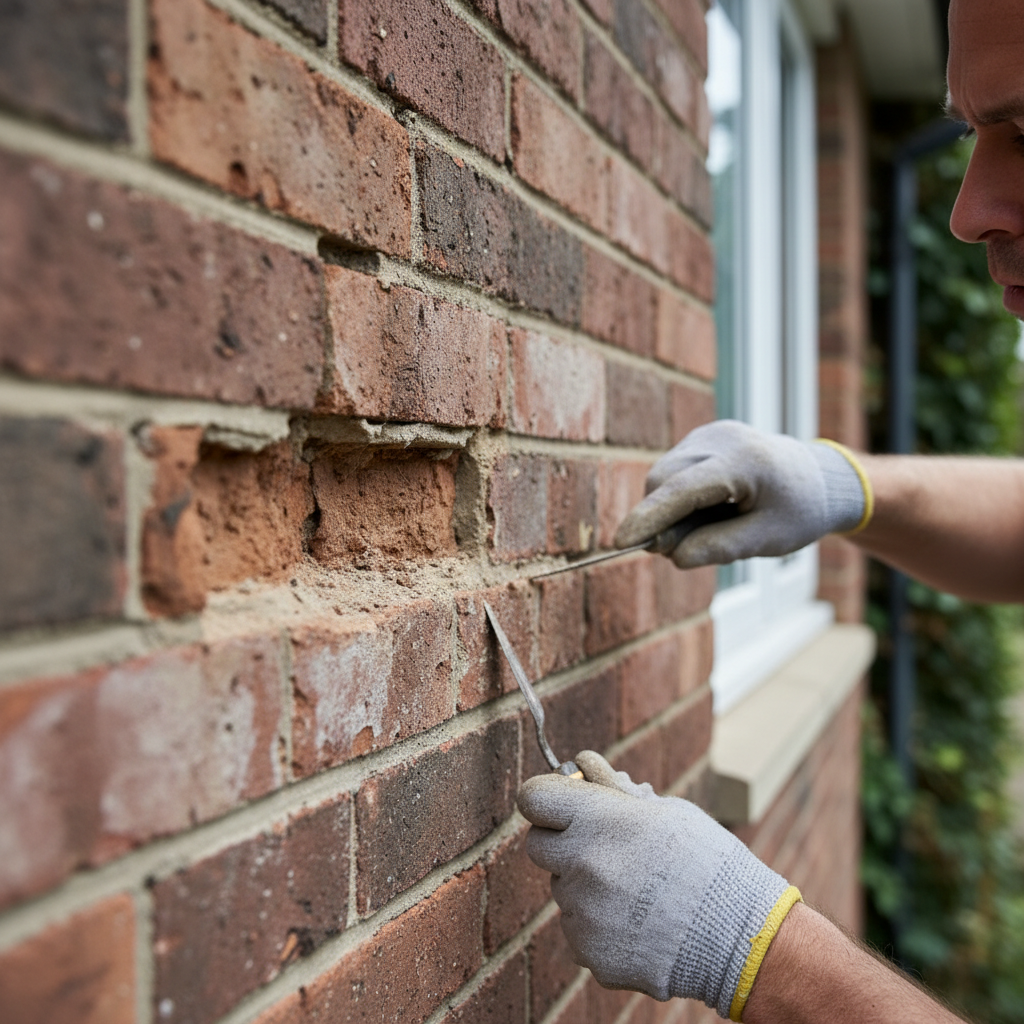
Protecting Your Masonry Investment Year-Round
St. Louis weather is hard on masonry. Hot, humid summers followed by freezing winters create the perfect storm for brick and mortar deterioration. Here's how to protect your investment through every season.
Spring (March-May)
What to Check
After Winter Damage:
- Walk around your home and look for new cracks or spalling
- Check for loose bricks that may have been damaged by ice
- Inspect chimneys for mortar that may have failed during freeze-thaw cycles
- Look for efflorescence (white staining) that indicates winter moisture problems
Gutters and Drainage:
- Clean gutters and downspouts from winter debris
- Ensure downspouts direct water at least 5 feet away from foundation
- Check that soil grades away from foundation (minimum 6 inches drop over 10 feet)
Spring Maintenance Tasks
- Power wash (carefully) — Light cleaning to remove winter grime. Use low pressure and avoid direct spray on mortar joints.
- Repair winter damage — Address any cracks or loose bricks before spring rains
- Seal cracks — Small hairline cracks can be sealed to prevent water infiltration
- Check caulking — Around windows, doors, and where masonry meets other materials
Summer (June-August)
What to Check
Heat and Humidity Effects:
- Look for efflorescence (indicates moisture moving through brick)
- Check for mold or mildew in shaded areas
- Inspect for insect activity (bees, wasps nesting in mortar joints)
Expansion Joints:
- Check that expansion joints are intact and functioning
- Look for bulging or bowing walls (heat can cause expansion)
Summer Maintenance Tasks
- Deep cleaning — Summer is ideal for more thorough masonry cleaning
- Vegetation control — Remove vines, ivy, and plants growing on or near masonry
- Insect removal — Have bee/wasp nests professionally removed
- Plan fall repairs — Schedule tuckpointing or restoration work for mild weather
Fall (September-November)
What to Check
Pre-Winter Preparation:
- Inspect entire masonry envelope for vulnerabilities
- Check chimney condition (critical before heating season)
- Verify all mortar joints are sound
- Look for any gaps where water could penetrate and freeze
Chimney Specific:
- Have chimney swept and inspected
- Verify cap is secure and undamaged
- Check damper operation
- Look for any signs of animal nesting
Fall Maintenance Tasks
- Complete repairs — Finish any tuckpointing or brick repair before freezing weather
- Clean gutters again — After leaves fall
- Check drainage — Ensure water flows away from foundation during fall rains
- Seal gaps — Any small cracks found during inspection
Winter (December-February)
What to Check
During Freeze-Thaw Cycles:
- Watch for ice dams on roof near chimney
- Look for new cracks appearing (freeze-thaw damage)
- Check for interior water stains after heavy rain/snow
Safety Concerns:
- Ensure chimney is drafting properly (watch for smoke backup)
- Check for carbon monoxide detector alerts
- Look for icicles forming from mortar joints (indicates water infiltration)
Winter Maintenance Tasks
- Monitor, don't repair — Most masonry work can't be done in freezing weather
- Keep gutters clear — Prevent ice dams
- Document damage — Take photos of any new problems for spring repair
- Interior monitoring — Watch for water stains, musty odors, or efflorescence on interior walls
Year-Round Best Practices
Do:
- Inspect masonry at least twice yearly (spring and fall)
- Address small problems immediately
- Keep vegetation trimmed away from brick
- Maintain proper drainage
- Have chimney inspected annually
- Use experienced masons for repairs
Don't:
- Use high-pressure washing on historic brick
- Apply waterproofing sealers without professional advice
- Ignore efflorescence or water stains
- Let vines or ivy grow on masonry
- Use hard Portland cement mortar on historic brick
- Delay repairs once problems are identified
Warning Signs That Need Immediate Attention
🚨 Call a professional immediately if you see:
- Leaning chimney or walls
- Large cracks (1/4 inch or wider)
- Bulging or bowing walls
- Bricks that are loose or falling out
- Water infiltration into interior
- Smoke or carbon monoxide issues with chimney
Related Articles
- The Complete Guide to Tuckpointing in St. Louis
- Preventing Water Damage Through Your Brick Walls
- Chimney Restoration: Keeping Your Historic Chimney Safe and Functional
The Bottom Line
Preventive maintenance is far cheaper than major repairs. A $500 tuckpointing repair today can prevent a $10,000 rebuild tomorrow. Regular inspection and prompt attention to small problems will extend the life of your masonry for decades.
Anchor Masonry offers free inspections and honest assessments. We'll help you prioritize repairs and plan maintenance that fits your budget.
Adam Scott
Owner, Anchor Masonry - 38+ years of masonry experience in St. Louis