
Protecting St. Louis Commercial Brick: Waterproofing vs. Tuckpointing
Protect your St. Louis commercial investment. Learn when breathable sealants prevent damage and why professional tuckpointing is the ultimate repair.
Key Takeaways
- St. Louis's freeze-thaw cycles aggressively deteriorate brickwork, making moisture management critical for building longevity.
- Not all sealants are created equal; non-breathable coatings can trap moisture and cause permanent spalling of brick faces.
- Tuckpointing is the structural fix for deteriorating mortar, whereas breathable sealants act as a protective barrier against driving rain.
- Commercial projects require a systematic approach, often starting with lintel and masonry repairs before applying any protective treatments.
- Professional assessment is required to ensure you aren't masking underlying structural failure behind a cosmetic coating.
As the owner of Anchor Masonry, I have seen too many storefronts in Soulard and warehouses in Midtown ruined by the wrong product. We have been serving St. Louis since 1987, and if there is one thing I have learned, it is that brick needs to breathe. When you own or manage property—whether a historic building on Cherokee Street or a modern retail space on The Hill—your facade is your first line of defense against our harsh Midwestern weather.
When should you use a sealant on commercial brick?
You should only apply a clear, breathable masonry water repellent after all structural mortar joints have been professionally repaired. A common mistake in commercial property management is treating a sealant as a quick fix for crumbling mortar. It is not. If your joints are soft, cracking, or missing, no liquid coating will hold the building together. Sealants are designed to bead water away from the face of the brick while allowing internal vapor to escape. If you trap that vapor, you turn your building into a pressure cooker, leading to frozen moisture behind the facade that pops the face off your brick—a process called spalling.
Why is tuckpointing the real fix for St. Louis storefronts?
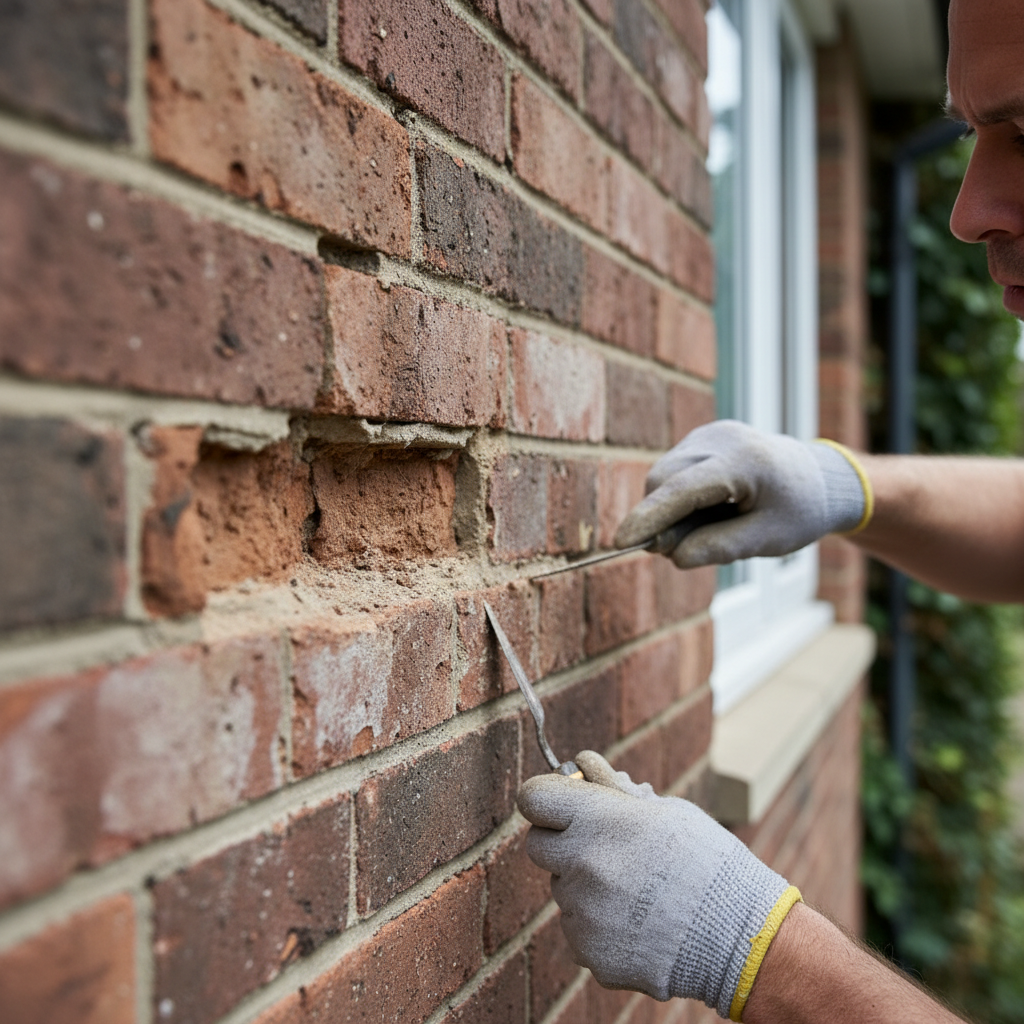
Tuckpointing is the process of grinding out deteriorated mortar and replacing it with fresh, high-quality mortar that matches the original color and strength. In our St. Louis climate, moisture enters through gaps in the mortar, freezes, and expands. This cycle destroys the integrity of the wall. Unlike a chemical sealant, tuckpointing restores the structural capacity of the masonry. Whether you are managing a historic downtown structure or a busy retail storefront, structural integrity must take precedence over surface protection. We always recommend a thorough inspection to determine the depth of the mortar erosion before suggesting any protective sealants.
How does the St. Louis climate impact your capital budget?
Our local freeze-thaw cycles dictate that commercial owners should budget for masonry maintenance every 5 to 10 years to avoid major capital expenditures. Below is a realistic look at how we approach commercial masonry budgeting in the St. Louis metro area.
| Service Type | Price Range (per sq ft) | Scope Considerations | | :--- | :--- | :--- | | Spot Tuckpointing | $8 - $15 | Minimum job sizes usually apply; scaffolding required. | | Full Facade Restoration | $25 - $45 | Includes brick replacement and lintel repair. | | Breathable Silane Sealer | $2 - $5 | Surface prep is mandatory; requires dry conditions. |
Note: Pricing fluctuates based on building height, access requirements for scaffolding, and the condition of the masonry substrate.
How do we manage tenant disruption during repairs?
We minimize business impact by coordinating site access and work schedules around your operating hours. We understand that as a property manager or business owner, you cannot afford to have scaffolding blocking your entrance during peak shopping hours on The Hill or throughout the busy workday in downtown St. Louis. We provide detailed phasing plans that prioritize public safety and accessibility. Our team is fully insured and experienced in working with HOAs and commercial developers, ensuring that all repairs meet local municipal codes and historical preservation guidelines if applicable.
Are you accidentally using the wrong coating?
Never use film-forming paints or acrylic coatings on older masonry, as they create a vapor barrier that leads to rapid deterioration. If a contractor suggests painting or sealing your brick without performing deep-joint tuckpointing first, walk away. We have spent years fixing the damage caused by these 'cheap' fixes. A professional assessment by a firm with a BBB A+ rating ensures that the work we do on your parapets, lintels, and walls today will still be performing a decade from now.
Protecting your investment with Anchor Masonry
Brick maintenance is about risk management. Deteriorated masonry can lead to water intrusion, damaged inventory, and potential liability issues if facade elements become loose. If you are managing a commercial property in the St. Louis area, do not wait until you see water stains or loose mortar on your sidewalks. We provide thorough, honest assessments to help you prioritize your maintenance budget effectively.
Give us a call at (314) 775-4557 to schedule a free estimate for your commercial masonry project. We have been a part of the St. Louis skyline since 1987, and we look forward to helping you preserve yours.
Adam Scott
Owner, Anchor Masonry - 38+ years of masonry experience in St. Louis