
When Is the Best Time for Masonry and Tuckpointing in St. Louis?
Planning masonry repairs in St. Louis? Learn why spring and fall are ideal for tuckpointing and how freeze-thaw cycles affect your brickwork.
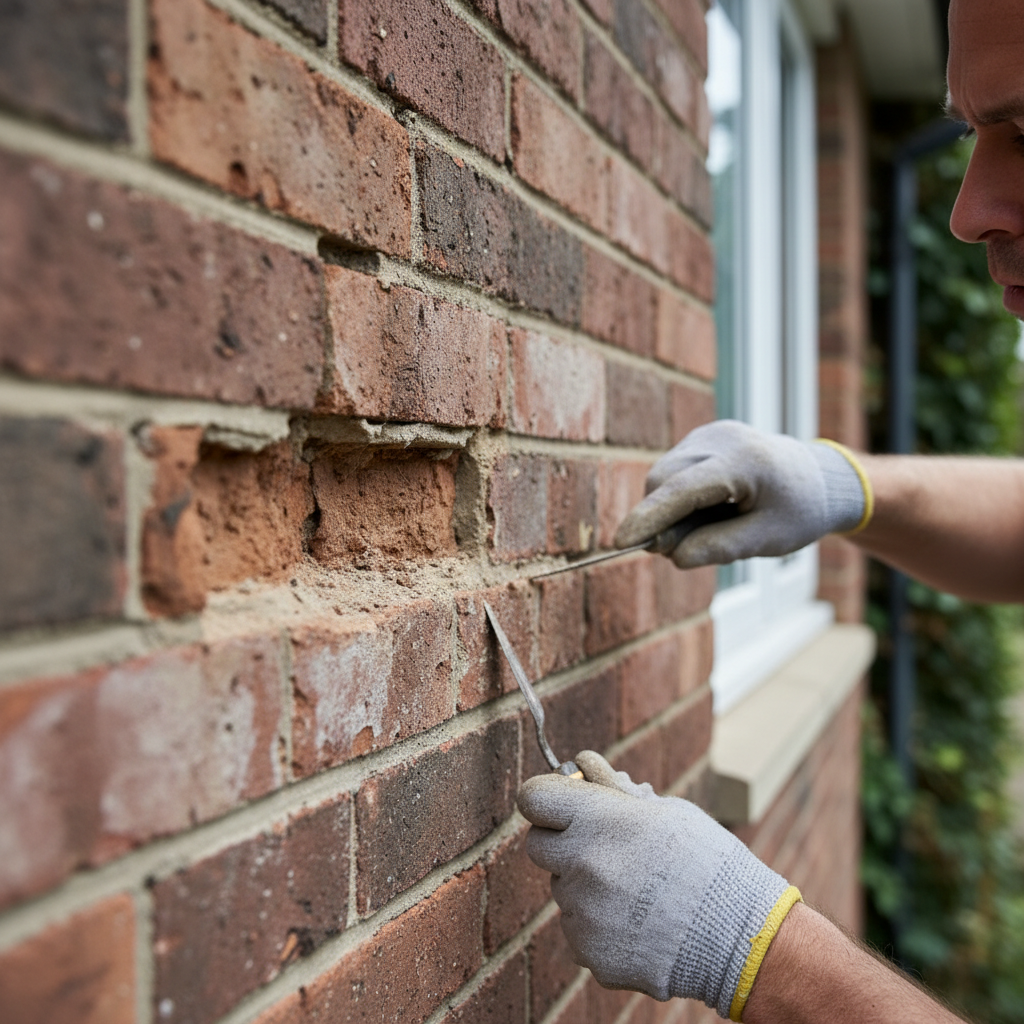
Key Takeaways
- The ideal window for masonry work in St. Louis is when temperatures consistently stay between 40°F and 90°F.
- Freeze-thaw cycles are the primary cause of mortar decay in our region, making timely repairs essential to prevent structural damage.
- Spring and fall offer the most stable conditions for proper mortar curing, which is vital for long-term durability.
- Ignoring crumbling mortar leads to water infiltration, which can eventually cause bricks to spall and walls to buckle.
- Anchor Masonry has served the St. Louis area since 1987, providing reliable repairs to protect your home's integrity.
When is the best time of year to schedule masonry work in St. Louis?
The best time for masonry work in St. Louis is during the spring (April to June) and fall (September to November) when temperatures are mild and predictable. During these months, the air temperature is high enough to allow the mortar to set properly without the risk of freezing, yet cool enough to prevent the mix from drying out too quickly, which can cause cracking. In St. Louis, our unpredictable weather—from sweltering, humid summers to deep-freeze winters—makes these "Goldilocks" periods the most efficient for tuckpointing and brick restoration.
Why does temperature matter for mortar curing?
Mortar requires a consistent temperature range to chemically hydrate and bond effectively with your bricks. If we install mortar while the temperature is below 40°F, the water within the mixture can freeze before it cures, preventing the chemical reaction necessary for strength and causing the mortar to crumble later. Conversely, during the peak of a St. Louis summer, if temperatures soar above 90°F, the water evaporates too fast. This "flash drying" ruins the integrity of the joint. At Anchor Masonry, we monitor the local forecast closely to ensure your home’s repairs are completed when conditions guarantee the best possible bond.
How do St. Louis freeze-thaw cycles affect your brickwork?
Freeze-thaw cycles occur when moisture enters your brickwork and expands as it turns to ice, exerting massive pressure that cracks bricks and pushes out mortar joints. Because St. Louis sees frequent fluctuations above and below freezing throughout the winter, your home's exterior is under constant stress. Over time, this cycle creates gaps that allow more water in, accelerating the decay. If you live in older neighborhoods like The Hill, Soulard, or Tower Grove, your historic masonry is especially susceptible to this because the original mortar was often softer than modern mixes.
Seasonal Impact Comparison
| Season | Conditions | Suitability for Masonry | | :--- | :--- | :--- | | Spring | Mild, moderate humidity | Excellent | | Summer | Hot, risk of flash drying | Moderate (requires shading) | | Fall | Stable, dry | Ideal | | Winter | Freezing, icy | Risky (requires special heating) |
Is masonry repair a DIY job or should I call a pro?
While small cosmetic fixes might seem like weekend projects, structural tuckpointing and brick replacement require professional expertise to match the mortar strength and color correctly. Using the wrong type of mortar—such as a Portland-heavy mix on a historic home in Tower Grove—can actually trap moisture and cause your bricks to face-spall or deteriorate faster. As a family-run business in the trade since 1987, I have seen too many DIY jobs that require expensive professional remediation later. A pro understands how to properly clean joints, match your existing mortar color, and ensure the new work is durable.
How can I spot masonry problems before they get expensive?
To catch issues early, walk the perimeter of your home twice a year and look for fine cracks in the mortar joints or bricks that look like they are flaking or peeling, known as spalling. You should also pay close attention to your chimney, as it is the highest part of your home and subject to the most severe weather exposure. If you see chunks of mortar on the ground or notice that your bricks look darker in certain areas due to trapped moisture, those are signs that your home is losing its "armor" against the elements. Ignoring these small signals now often leads to much costlier structural repairs, such as wall rebuilding or chimney reconstruction, down the line.
Can I get an estimate for my St. Louis home?
Yes, I am happy to provide a professional assessment of your home's needs so we can plan the right fix at the right time. Whether you have a crumbling retaining wall or a chimney that needs a refresh, my team at Anchor Masonry is ready to help you preserve your home. Don't wait for a small leak to turn into a major structural failure. Give us a call today at (314) 775-4557 for your free estimate and expert advice on keeping your home in top shape.
— Adam Scott, Owner, Anchor Masonry
Adam Scott
Owner, Anchor Masonry - 38+ years of masonry experience in St. Louis